Radiators: Paint or replace?
Ad - Advice from The Italian Plumber
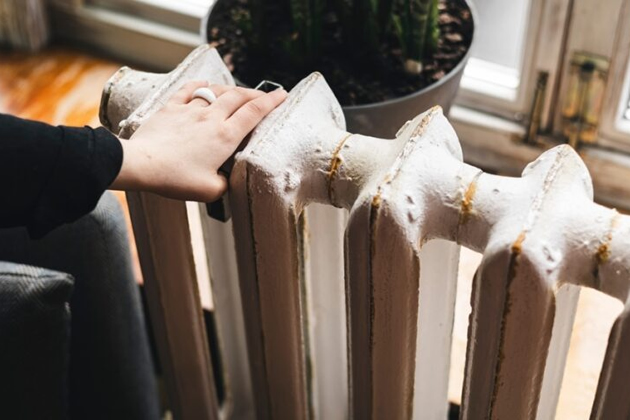
It’s a familiar home interior dilemma. You’ve had your radiators for more years than you care to remember. They’re doing an okay job, but they’re starting to look their age.
Do you keep your wallet closed and dig out a tin of paint to pretty things up — simple, cheap, and easy? Or do you go full replacement mode and bite a rather painful bullet?
Let’s explore the pros and cons.
Painting old radiators
Painting is often the quickest and cheapest option for older radiators.
Pros of painting radiators
- Low upfront cost
- Quick cosmetic improvement
- Minimal disruption
Cons of painting radiators
- Does not improve heating efficiency
- Can slightly reduce heat output if paint layers are thick
- Does not fix internal corrosion or sludge build-up
Painting radiators is purely cosmetic. If your radiators are heating evenly and efficiently, a fresh coat of radiator paint can be a sensible short-term solution.
Replacing old radiators
Replacing radiators is a bigger investment, but one that can improve both comfort and energy efficiency.
Benefits of replacing radiators
- Improved heat output and faster warm-up times
- Reduced heat loss compared to older models
- Better compatibility with modern boilers
- More control over room temperature
- Modern designs that suit today’s homes
Downsides of radiator replacement
- Higher upfront cost
- Some disruption during installation
However, modern radiators are designed to heat rooms more efficiently, meaning your boiler doesn’t have to work as hard to mainta
Heating efficiency and heat loss
Older radiators are often inefficient due to internal sludge, corrosion, or outdated design. This can lead to:
- Cold spots (especially at the bottom of the radiator)
- Longer heating times
- Increased boiler workload
- Higher energy consumption
In these cases, painting an old radiator won’t solve the problem.
Can you recoup the cost of replacing radiators?
While replacing radiators involves an upfront expense, improved heating efficiency can help offset the cost over time.
Efficient radiators:
- Distribute heat more evenly
- Reduce wasted heat
- Allow your heating system to run for shorter periods
This can lead to lower energy usage and, in many homes, reduced heating bills. Over several years, the improved efficiency can help recoup part — or even most — of the replacement cost.
When to paint a radiator
- Radiators are under 10 years old
- Heat output is even and consistent
- You’re updating décor rather than the heating system
When to replace a radiator
- Radiators are over 15–20 years old
- Cold spots keep returning
- Rooms struggle to stay warm
- You’re upgrading your boiler or heating system
Modern radiators don’t just look better — they heat more efficiently, reduce strain on your boiler, and can help lower running costs over time.
If you’re unsure which option is right for your home, give us a call and we can give you an honest appraisal.
Samuele The Italian Plumber
Other blog posts by Samuele can be read at theitalianplumber.co.uk/blog.
Advertorial
December 27, 2025
Related links
|
